Semen nonliquefaction refers to the inability of semen to change from a gel-like state to a liquid state within a certain time after ejaculation, which may affect fertility.
Semen non-liquefaction refers to the inability of semen to change from a gel-like state to a liquid state within a certain time after ejaculation. This is mainly due to insufficient or absent activity of proteolytic enzymes in the semen. Normally, semen coagulates after ejaculation and then liquefies within 30 minutes; this process is crucial for sperm motility and survival. If semen fails to liquefy normally, sperm movement is restricted, potentially preventing sperm from passing smoothly through the female reproductive tract, thus affecting fertility. However, the presence of semen non-liquefaction does not necessarily mean complete infertility. Appropriate treatment, such as supplementing with proteolytic enzymes or using medication to improve semen liquefaction, can increase the likelihood of fertility. Semen non-liquefaction can be caused by various factors, including reproductive system infections and prostate diseases; treating these underlying causes may also improve fertility.
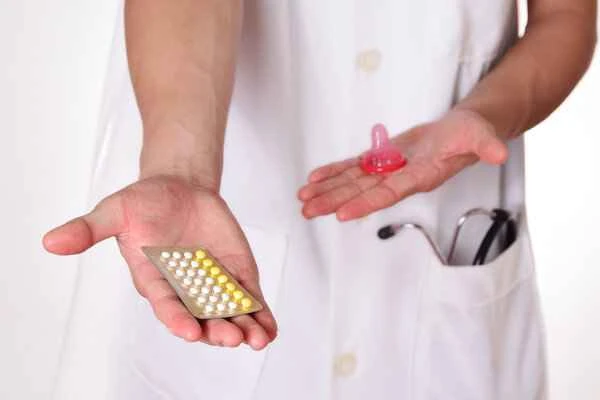
When addressing semen non-liquefaction, in addition to focusing on the liquefaction of the semen itself, it's crucial to consider other factors affecting fertility. For example, sperm count, motility, and morphology are all important indicators for assessing fertility. During diagnosis and treatment, doctors typically conduct a comprehensive reproductive health examination to ensure that all potential fertility-affecting factors are fully considered and addressed. Treatment may involve medications or other therapies, but these methods may also carry side effects or risks. Therefore, it's essential to communicate thoroughly with your doctor before treatment to understand the potential risks and expected outcomes.

[Management Tips]
1. Perform semen analysis regularly to monitor semen liquefaction.
2. Adjust your lifestyle and avoid prolonged exposure to high-temperature environments, such as hot baths.
3. If symptoms of reproductive system infection occur, seek medical attention promptly.