An abnormal size on one side of the scrotum may be caused by fluid accumulation. This condition is commonly known as hydrocele and is a relatively common men's health issue.
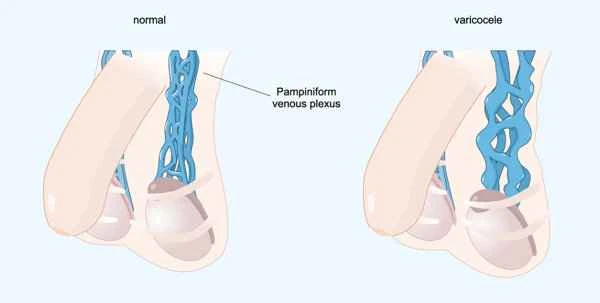
Hydrocele refers to the accumulation of excessive fluid within the tunica vaginalis (the membrane covering the scrotum), causing swelling on one side of the scrotum. This condition is usually painless, but may sometimes be accompanied by mild discomfort. Causes of hydrocele can include infection, inflammation, trauma, or congenital factors. If hydrocele is accompanied by redness, swelling, fever, or worsening pain, it may indicate an infection or other serious condition, requiring immediate medical attention.
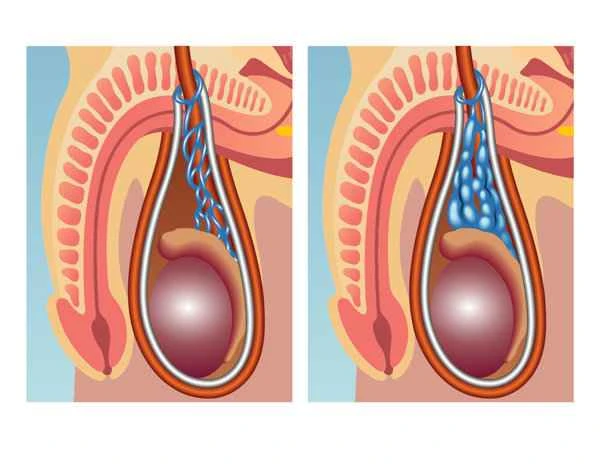
An abnormal size on one side of the scrotum can also be related to other conditions, such as a hernia. A hernia is a protrusion of abdominal tissue or organs through a weak area of the abdominal wall, which can cause a lump on one side of the scrotum. This lump is more noticeable when standing or straining and may shrink or disappear when lying down. If a hernia is not treated promptly, it can lead to incarceration, where the protruding tissue becomes trapped, requiring emergency treatment.

Patients should note that while some mild hydrocele may not require immediate treatment, any persistent scrotal swelling should be evaluated by a professional physician. Self-diagnosis or ignoring symptoms may lead to a worsening of the condition. If you experience an abnormality in the size of one side of your scrotum, especially if accompanied by pain, redness, swelling, or fever, you should seek medical attention immediately for timely diagnosis and treatment.
[Prevention Tips]
1. Maintain good personal hygiene habits and clean the genital area regularly.
2. Avoid strenuous exercise or heavy physical labor to reduce pressure on the groin area.
3. Pay attention to a healthy diet and avoid excessive alcohol consumption and salt intake to reduce the risk of ascites formation.
4. Have regular physical examinations, especially for people with a family history of genetic diseases, to detect and treat potential problems in a timely manner.