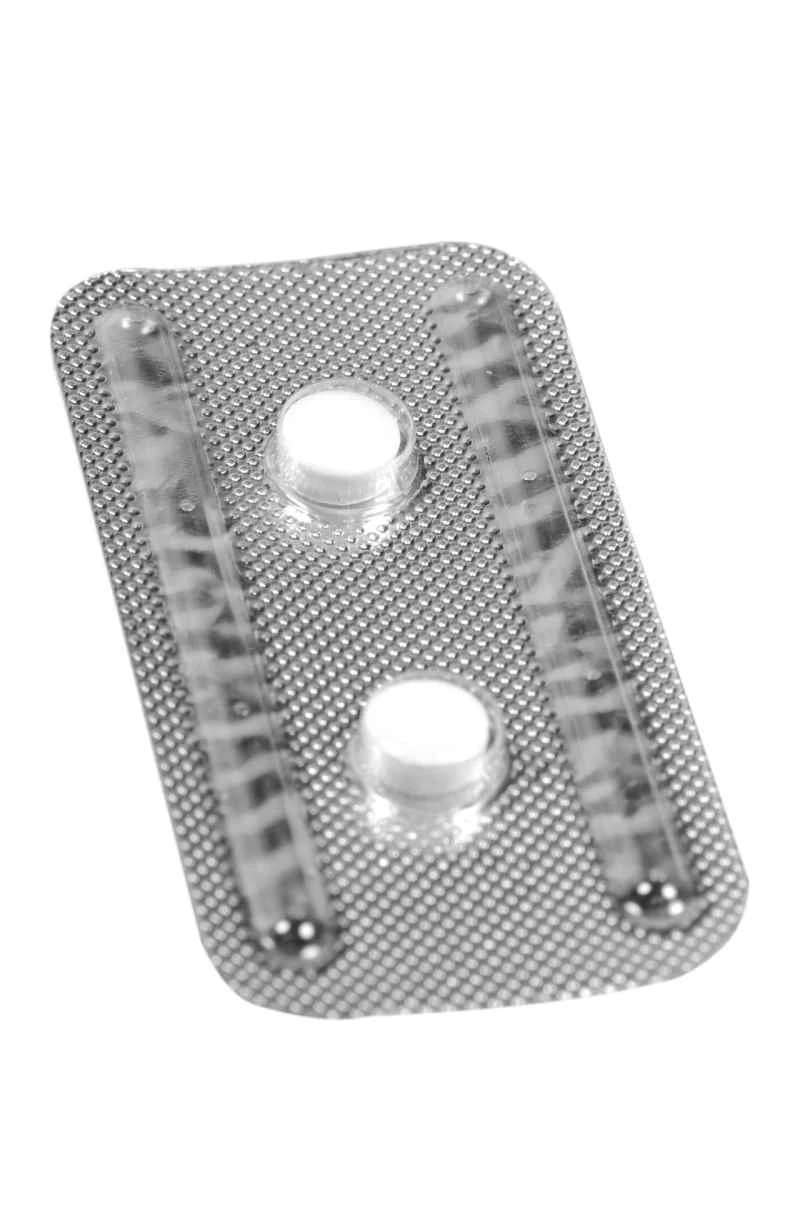
Withdrawal is a method of contraception, but its effectiveness is not ideal and it carries certain health risks.

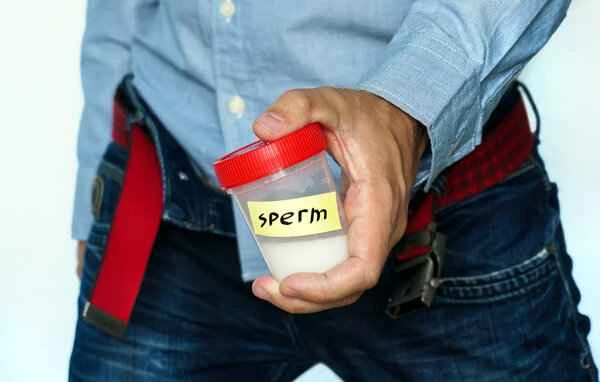
Withdrawal, or coitus interruptus, is a method of contraception where the penis is withdrawn from the vagina just before ejaculation to prevent sperm from entering the woman's body. However, this method is unreliable because before ejaculation, the male's body secretes a small amount of pre-ejaculate containing sperm, enough to cause pregnancy. Withdrawal also does not prevent sexually transmitted infections (STIs) because viruses and bacteria can still be transmitted through skin contact and exchange of bodily fluids, even without ejaculation.
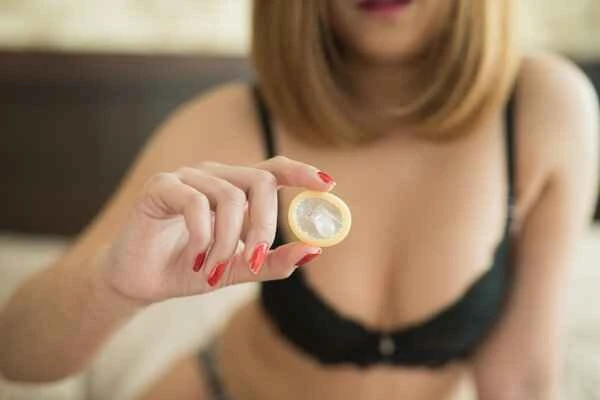
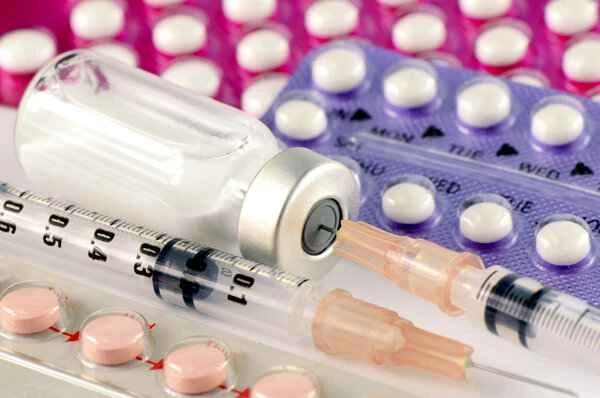
To effectively prevent pregnancy and reduce health risks, it is recommended to use more reliable contraceptive methods, such as oral contraceptives, condoms, or intrauterine devices (IUDs). These methods not only offer better contraceptive efficacy but also help prevent sexually transmitted infections (STIs) to some extent. Regular sexual health checkups are also recommended to ensure the health of yourself and your partner.
[Life Tips]
1. Choose a reliable and effective method of contraception, such as condoms or oral contraceptives.
2. Have regular sexual health checkups to detect and treat sexually transmitted diseases in a timely manner.
3. Discuss and choose a contraceptive method that suits both of you with your partner.