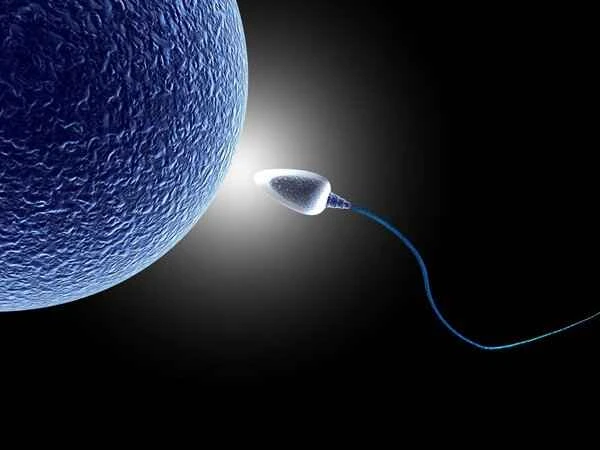
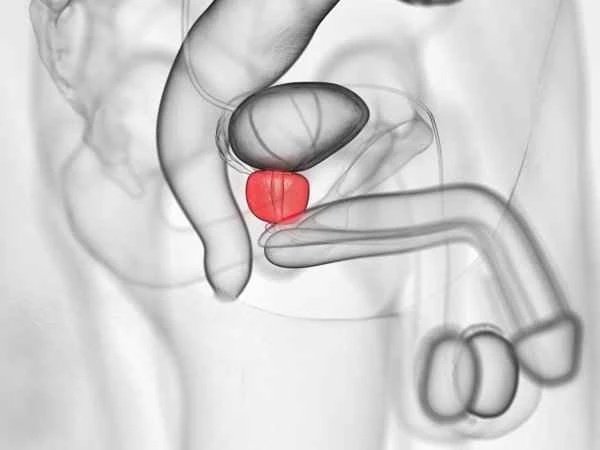
Asthenospermia, also known as low sperm motility, refers to a condition in which a man's semen contains a normal number of sperm but with insufficient sperm motility. This condition can be caused by a variety of factors, including lifestyle habits, environmental factors, and certain medical conditions.
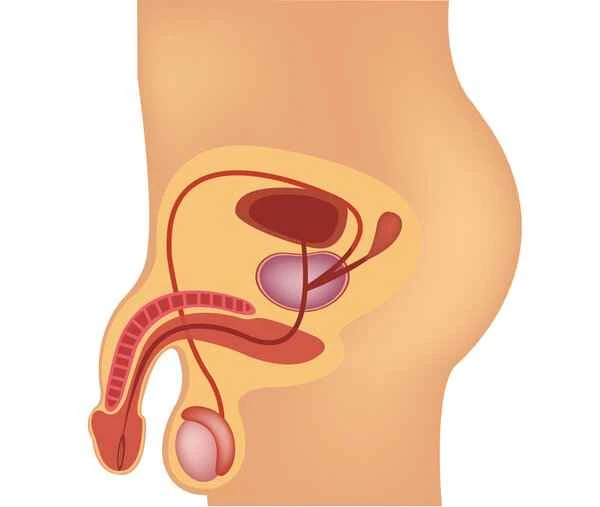
Lifestyle habits are a significant factor affecting sperm motility. Long-term smoking, excessive alcohol consumption, excessive caffeine intake, and lack of exercise can all lead to decreased sperm motility. High temperatures can also affect sperm production and quality; for example, prolonged use of hot water bottles, hot baths, or prolonged exposure to high-temperature work environments can all have adverse effects on sperm.
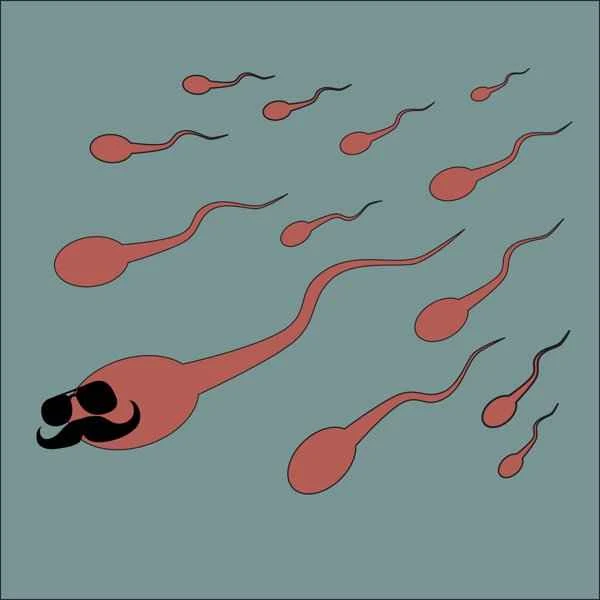
Certain medical conditions can also lead to asthenospermia. Infections of the reproductive system such as orchitis and prostatitis, as well as systemic diseases such as diabetes and thyroid dysfunction, can all affect sperm production and quality. Some genetic factors and chromosomal abnormalities can also cause decreased sperm motility.

Patients must be aware that if severe accompanying symptoms occur, such as intense pain, persistent fever, or hematospermia, they should seek immediate medical attention for a thorough examination and treatment. Furthermore, the diagnosis of asthenospermia requires professional semen analysis and should not be based solely on symptoms. It is important to avoid confusing asthenospermia with other symptoms such as sexual dysfunction to prevent unnecessary panic.
[Prevention Tips]
1. Maintain healthy lifestyle habits and avoid smoking, excessive drinking, and excessive caffeine intake.
2. Avoid prolonged exposure to high temperatures and reduce the use of hot water bottles and hot baths.
3. Have regular physical checkups to detect and treat any diseases that may affect sperm motility in a timely manner.
4. Maintain an appropriate amount of exercise and keep a healthy weight.