The distance of ejaculation is affected by a variety of factors, and there is no fixed "normal" standard.

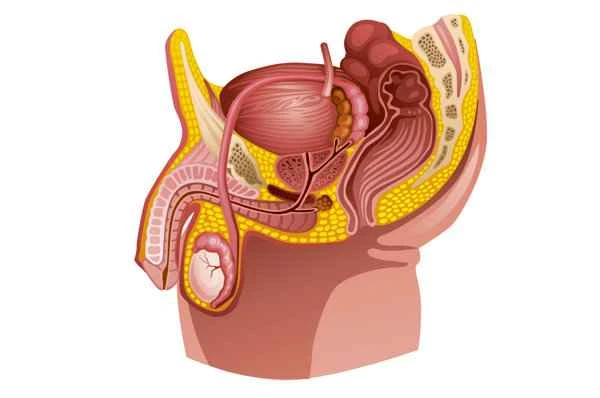
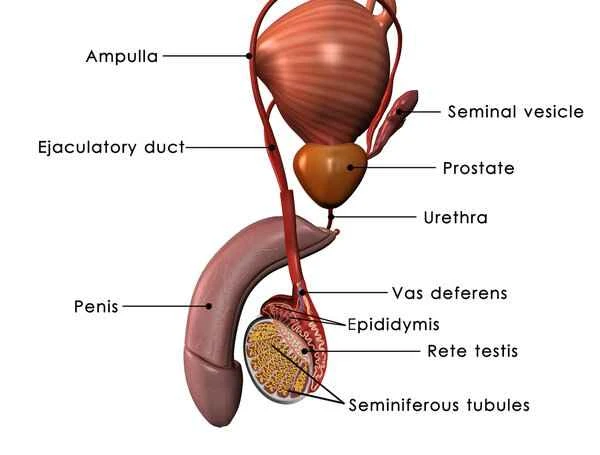
Ejaculation distance generally refers to the distance semen is ejected during ejaculation. This distance is influenced by various factors, including but not limited to the man's physiological state, sex hormone levels, and sexual behavior. From a physiological perspective, ejaculation distance primarily depends on the strength of muscle contractions during ejaculation and the patency of the ejaculatory ducts. During male orgasm, the pelvic floor muscles, perineal muscles, and urethral sphincter contract in synergy, expelling semen through the urethra. If these muscles contract strongly and the ejaculatory ducts are patent, the ejaculation distance may be greater; conversely, it may be shorter. Sex hormone levels also affect ejaculation distance; for example, higher testosterone levels may enhance muscle contraction, thus increasing ejaculation distance. It is important to note that ejaculation distance is not the sole criterion for measuring sexual function or sexual health. Sexual health is more about the normal functioning of sexual life, satisfaction with sexual intercourse, and emotional communication between partners. Focusing on the quality of sexual life, emotional communication between partners, and physical health is more crucial.
[Life Tips]
1. Maintain good lifestyle habits, including moderate exercise and a healthy diet.
2. Have regular physical examinations and pay attention to sexual function and overall health.
3. Maintain a positive mindset and avoid excessive anxiety and stress.