Bacterial prostatitis is usually not directly transmitted through sexual intercourse, but it is recommended to abstain from sexual activity and seek treatment during the illness. The following are specific details:

1. Characteristics of disease transmission
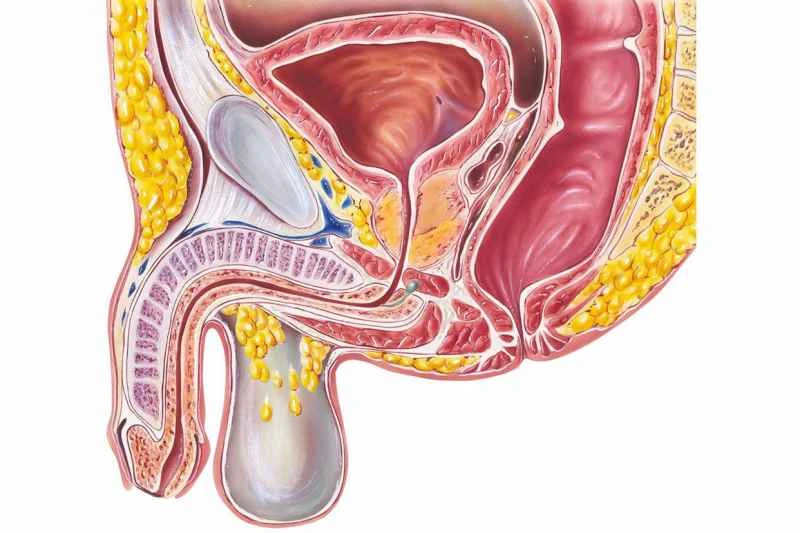
Bacterial prostatitis is mainly caused by bacterial infection of the prostate gland, and the route of infection is mostly retrograde infection from the urethra, rather than transmission of pathogens through sexual intercourse. Therefore, partners generally will not be infected with the same bacteria through sexual intercourse.
2. Potential effects of sexual intercourse
Although the disease itself is not contagious, sexual intercourse may worsen prostate congestion, leading to increased pain or recurrent inflammation. If other urinary tract infections are present, sexual contact may increase the risk of the partner contracting other bacteria.
3. Precautions during treatment
Patients should complete the course of antibiotics as prescribed by their doctor and avoid sexual activity until symptoms subside. They should also pay attention to personal hygiene, drink plenty of water, and avoid prolonged sitting to promote recovery.
To protect the health of both partners, it is recommended to refrain from sexual intercourse during treatment and resume sexual activity only after the doctor confirms full recovery. If either partner experiences urinary tract discomfort, they should also be examined promptly to ensure joint prevention of cross-infection.