Aseptic prostatitis refers to prostatitis that occurs without bacterial infection, and treatment requires the selection of targeted medications.
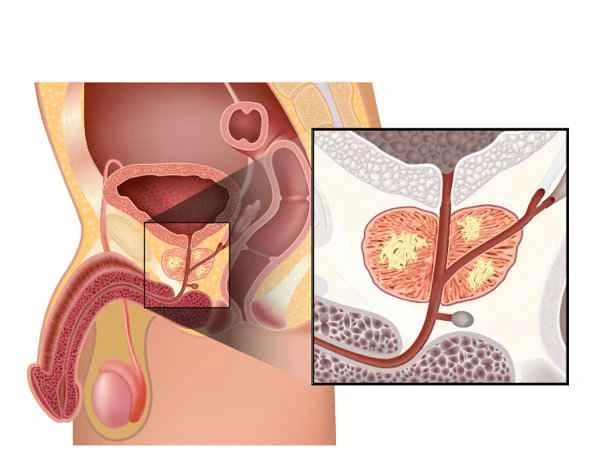
Treatment for aseptic prostatitis primarily relies on non-antibiotic medications, including alpha-blockers and nonsteroidal anti-inflammatory drugs (NSAIDs). Alpha-blockers, such as tamsulosin, relax the smooth muscles of the prostate and bladder neck, thereby improving urine flow and relieving symptoms such as difficulty urinating. NSAIDs, such as ibuprofen, reduce inflammation and pain. 5α-reductase inhibitors, such as finasteride, can also be used; they reduce prostate volume by decreasing dihydrotestosterone levels, thus alleviating symptoms. These medications relieve the symptoms of aseptic prostatitis through different mechanisms, but the specific medication used should be determined by a doctor based on the patient's individual situation.

When treating aseptic prostatitis, it's important to note that while non-antibiotic medications can relieve symptoms, they do not cure the disease. Long-term use of certain medications may cause side effects; for example, alpha-blockers may cause low blood pressure, and nonsteroidal anti-inflammatory drugs (NSAIDs) may cause gastrointestinal discomfort. When choosing and using medications, individual patient differences and drug safety should be fully considered to avoid indiscriminate use.

[Management Tip:]
1. Regularly check prostate-related indicators to monitor changes in the condition.
2. Adjust your lifestyle habits, avoid sitting for long periods of time, and maintain moderate exercise.
3. If symptoms worsen or new symptoms appear, seek medical advice promptly.