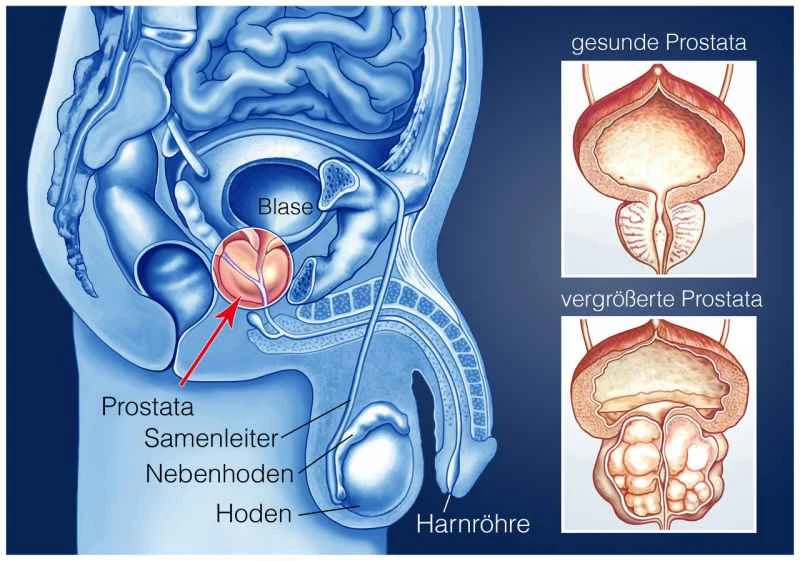
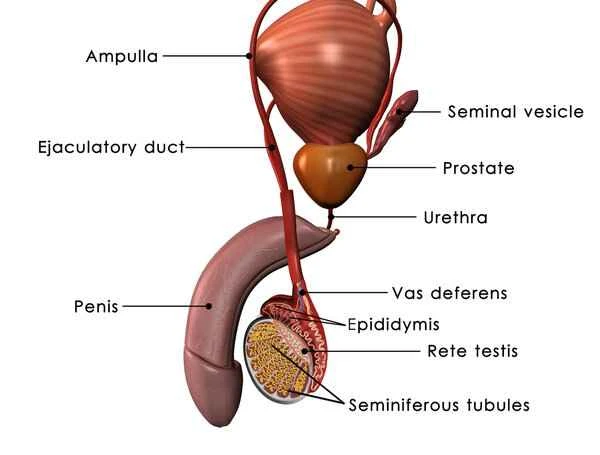
Bacterial prostatitis is generally not transmitted to others through daily contact. It is an inflammation of the male reproductive system, primarily caused by bacterial infection, but is usually not considered a sexually transmitted disease. If related symptoms occur, it is recommended to seek medical attention promptly.

This can be understood from the following two points:

1. Limited dissemination channels
The bacteria causing this type of inflammation usually originate from the urethra or other parts of the body, such as E. coli. It may cause a urinary tract infection in one partner during sexual intercourse through bacterial exchange, but it will not directly cause prostatitis. Ordinary contact such as sharing meals or shaking hands will not transmit the infection.
2. Difference from sexually transmitted diseases
It's important to distinguish between urethral or prostate infections caused by specific pathogens such as gonococci and chlamydia, which can be transmitted through sexual contact. However, bacterial prostatitis, as commonly referred to, is mostly caused by common bacteria and has a lower risk of transmission.
For your and your partner's health, we recommend paying attention to personal hygiene and avoiding overexertion. If diagnosed, you should complete the full course of treatment as prescribed by your doctor. During this period, sexual activity should be reduced appropriately, and your partner may also undergo relevant examinations if necessary. Drinking plenty of water and avoiding prolonged sitting will help with recovery.