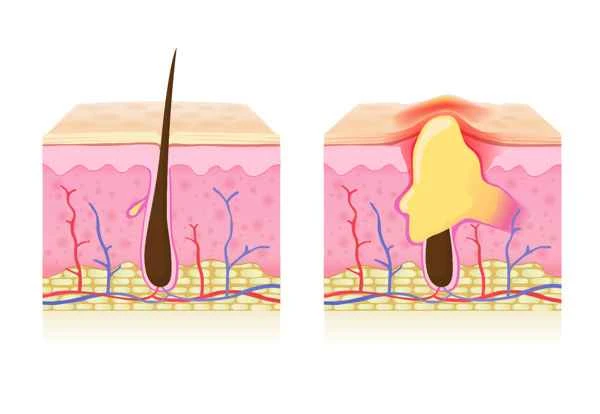
The symptoms of prostatitis are diverse, and medication should be selected under the guidance of a doctor according to the specific type. Common symptoms include urinary discomfort and pelvic pain. Treatment usually includes antibiotics, painkillers, or traditional Chinese medicine, but never self-medicate.
1. Abnormal urination: Frequent urination, urgency, burning or pain during urination, and sometimes a thin urine stream may occur.
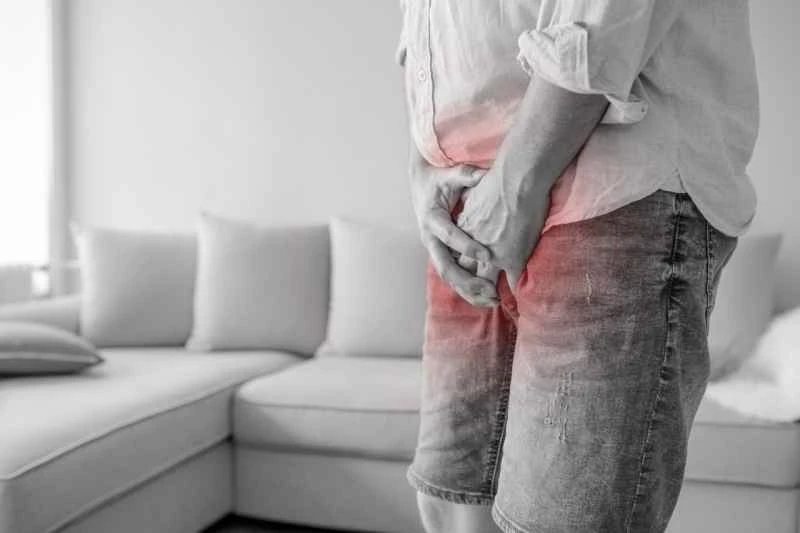
2. Pain and discomfort: The pain is mostly located in the lower abdomen, perineum, lumbosacral region or testicles, and may be a dull ache or a throbbing pain.
3. Other symptoms: Some patients experience fatigue, fever, or sexual dysfunction.
Regarding medication, please note:
- Bacterial prostatitis: The doctor may prescribe antibiotics, but the prescribed course of treatment must be completed.
- Nonbacterial prostatitis: Symptoms are usually relieved by analgesics, muscle relaxants or herbal preparations.
- Traditional Chinese medicine treatment: Some traditional Chinese medicines can help relieve discomfort, but they need to be used according to the syndrome differentiation.
It is recommended to consult a urologist or andrologist promptly for examination to determine the type of symptoms. During treatment, avoid prolonged sitting, alcohol, and spicy foods. Appropriate exercise can aid recovery. Maintaining a positive attitude and cooperating with the doctor's treatment plan can improve most symptoms.