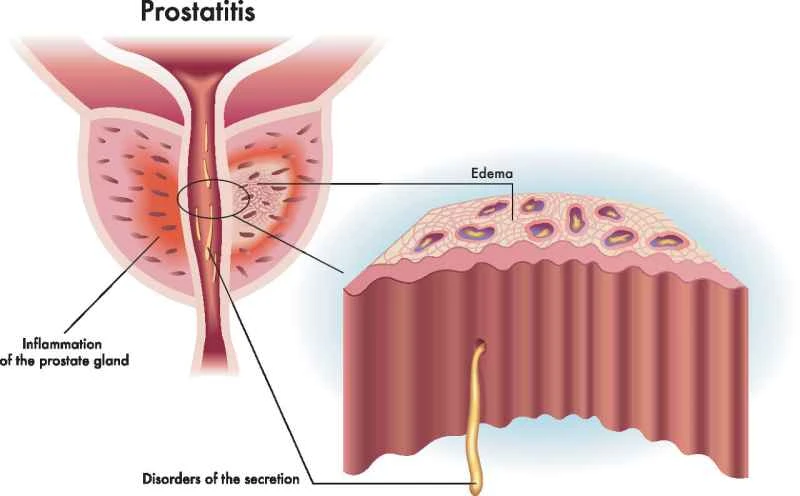
Prostatitis is generally not contagious to a partner, but patients are advised to seek medical attention promptly and take precautions. Specifically, the following situations may occur:

1. Non-infectious prostatitis: Most cases of chronic prostatitis are not related to bacterial infection and are mainly caused by lifestyle habits, stress, and other factors. These cases are not contagious.

2. Infectious prostatitis: If caused by specific pathogens such as gonococci or mycoplasma, it may be transmitted through sexual intercourse. However, this is a relatively rare occurrence, and transmission is not inevitable.
Regardless of the type, the following should be noted:
- Go to a regular hospital for examination in a timely manner to determine the cause of the disease before targeted treatment.
- Sexual activity can be reduced appropriately during treatment, and safety precautions should be used when necessary.
- Avoid self-medicating to prevent delaying treatment or causing unnecessary worry.
It is recommended that both partners undergo health checkups, pay attention to personal hygiene, and maintain healthy lifestyle habits. If discomfort such as frequent urination or pain occurs, both partners should communicate promptly and seek medical attention to jointly safeguard their health.