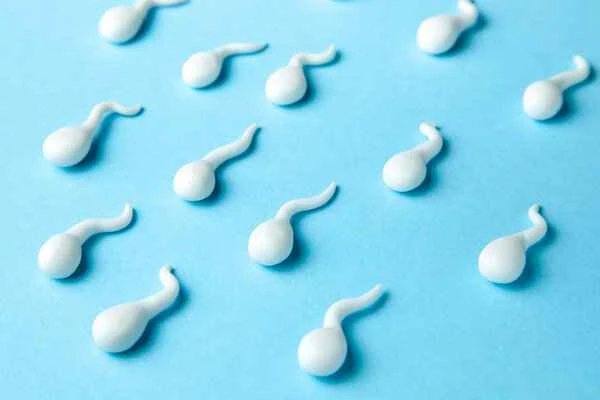
Whether high prolactin levels lead to asthenospermia (low sperm motility) involves the complex relationship between the endocrine system and reproductive health. Prolactin is a hormone secreted by the pituitary gland and plays a crucial role in regulating mammary gland development and milk production. Excessively high prolactin levels (hyperprolactinemia) can affect male reproductive health, including sperm production and sexual function.

High prolactin levels can affect sperm quality and quantity through multiple mechanisms. Excessively high prolactin levels can disrupt the normal function of the hypothalamus-pituitary-gonadal axis, thereby affecting testosterone production. Testosterone is one of the most important hormones for maintaining male reproductive health; it is crucial not only for sperm production but also has a direct impact on libido and sexual function. When prolactin levels are abnormally elevated, it may lead to decreased testosterone levels, which in turn affects sperm quality and quantity, resulting in asthenospermia (low sperm motility).
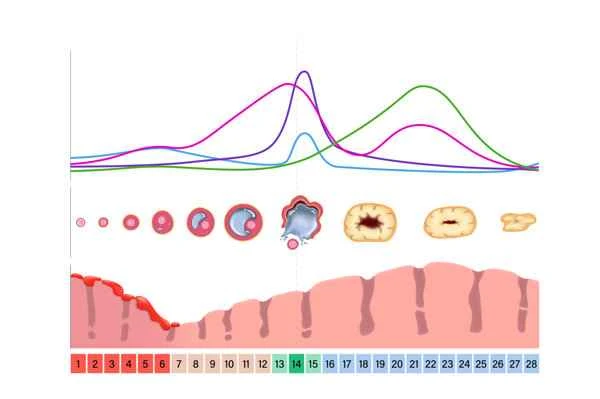
High prolactin levels can also be associated with a variety of other health problems, including headaches, vision problems, and decreased libido. Elevated prolactin levels can be caused by a variety of reasons, including medication side effects and brain diseases (such as brain tumors). If you suspect you have high prolactin levels, you should seek professional medical examination and diagnosis promptly, rather than relying solely on self-observation.
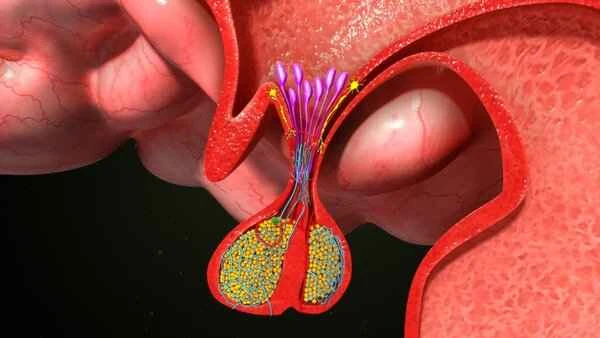
[Prevention Tips:]
1. Have regular physical examinations, especially for people with related symptoms, to detect and treat hyperprolactinemia in a timely manner.
2. Maintain a healthy lifestyle, including a balanced diet, moderate exercise, and sufficient sleep, to maintain the balance of the endocrine system.
3. Avoid long-term use of medications that may increase prolactin levels, such as certain antipsychotics. It is best to consult a doctor before using any medication.