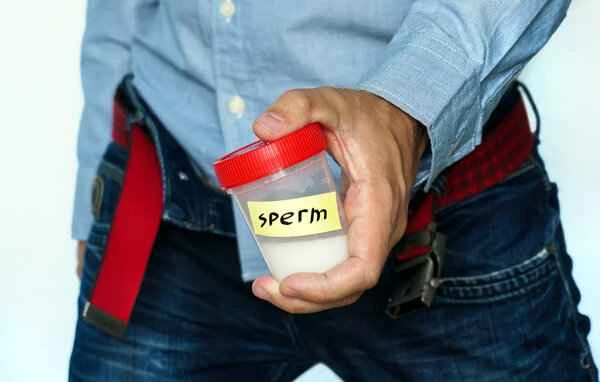
Treatment for severe oligoasthenospermia primarily involves a comprehensive approach to improve sperm count and quality. It typically combines medication, lifestyle modifications, and potential assisted reproductive technologies to enhance sperm motility and quantity.
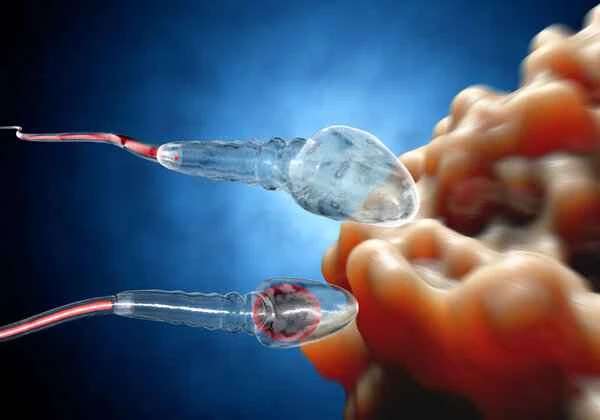
When treating severe oligoasthenospermia, it's crucial to first identify the underlying cause. Common causes include reproductive system infections, hormonal imbalances, genetic factors, and environmental factors. For medication, doctors may prescribe antibiotics to treat reproductive system infections, use hormonal medications to regulate hormone levels, or employ antioxidants to improve sperm morphology and function. Lifestyle modifications are also essential, including quitting smoking, limiting alcohol consumption, maintaining a healthy weight, and avoiding high-temperature environments (such as prolonged hot baths). These measures help improve sperm quality. For some patients, if medication is ineffective, assisted reproductive technologies such as artificial insemination or in-vitro fertilization can be considered to increase the chances of conception.

In treating severe oligoasthenospermia, patients may face challenges such as limited treatment effectiveness and long treatment cycles. During treatment, patients may experience anxiety and frustration because improvements in sperm quality typically take time to become apparent. Side effects from medications may occur, such as weight changes and mood swings caused by hormone therapy. Patients need to remain patient, follow their doctor's instructions, and have regular checkups to monitor the treatment's effectiveness.
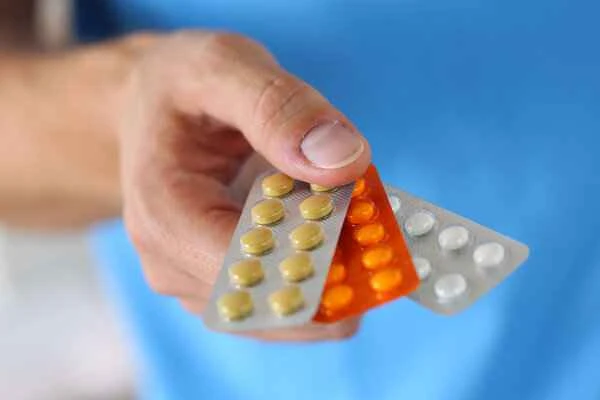
[Management Tips]
1. Regularly monitor hormone levels and sperm quality.
2. Adjust your diet and increase your intake of foods rich in trace elements such as zinc and selenium.
3. Seek medical attention promptly if you experience persistent reproductive system infections or abnormal hormone levels.