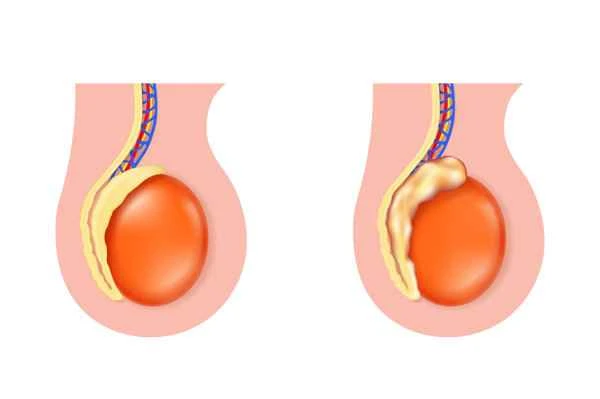
Oligospermia, also known as low sperm count, is a condition in which the number of sperm in a man's semen is below the normal range. This condition can affect male fertility. Symptoms of oligospermia are often not obvious, but understanding the potential symptoms can help with early detection and intervention.
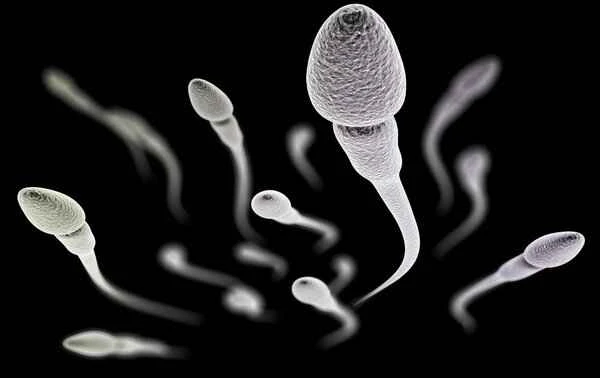
The symptoms of oligospermia are often not directly apparent, but can be accompanied by some indirect signs or symptoms. For example, some men may experience decreased libido, sexual dysfunction such as erectile dysfunction, or difficulty ejaculating. Infections of the reproductive system, such as prostatitis or epididymitis, can also lead to a reduced sperm count. These infections are usually accompanied by symptoms such as urethral discharge, difficulty urinating, or painful urination. Oligospermia may also be related to genetic factors, abnormal hormone levels, testicular injury, or certain chronic diseases.
When discussing the symptoms of oligospermia, it's crucial to emphasize several key points. If a man experiences persistent sexual dysfunction, symptoms of reproductive system infection, or concerns about declining fertility, he should seek medical attention promptly for a professional examination. The diagnosis of oligospermia typically requires semen analysis, not just symptom presentation. Finally, oligospermia can result from a combination of factors, leading to significant individual variations and necessitating professional medical evaluation.
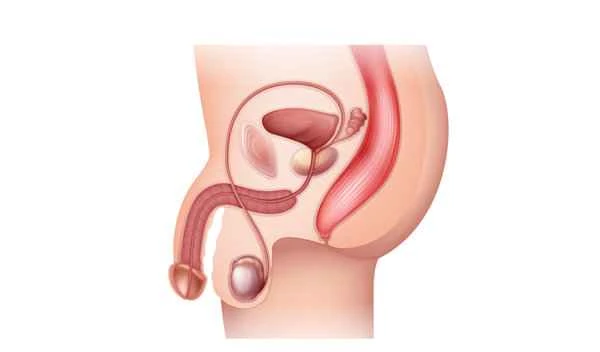
[Prevention Tips:]
1. Maintain a healthy lifestyle, including a balanced diet, moderate exercise, and sufficient sleep.
2. Avoid prolonged exposure to high-temperature environments, such as frequent use of hot baths or saunas.
3. Reduce exposure to chemicals and harmful substances that may affect fertility.
4. Have regular reproductive health checkups, especially for couples planning to conceive.