Prostatitis is a common male urinary tract infection that can cause difficulty urinating and, in severe cases, urinary retention, meaning the inability to urinate properly. Prostatitis is usually caused by a bacterial infection, but it can also be caused by non-bacterial factors, such as prostate congestion or inflammation.

Men with prostatitis may experience symptoms such as frequent urination, urgency, and painful urination, especially in the morning or after meals. Urine may be accompanied by a burning sensation or pain, and the urine stream may become weak. In some cases, prostatitis can cause partial urethral obstruction, leading to urinary retention. This is usually accompanied by increased pain in the lower abdomen or perineum, and a feeling of obstruction in urination.
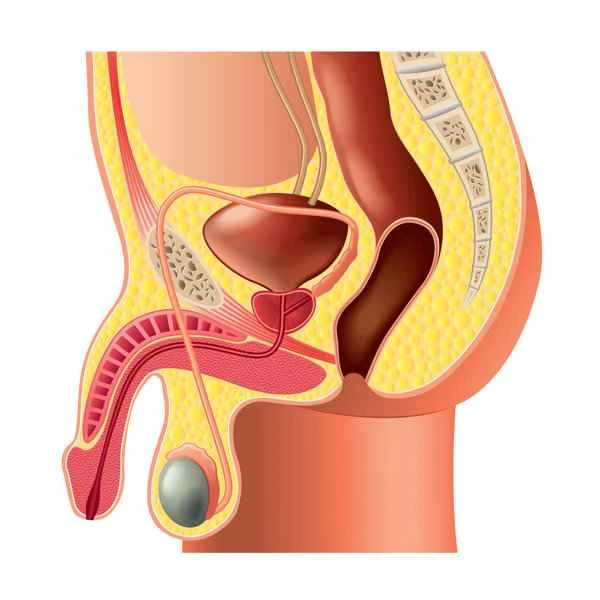
Another possibility is benign prostatic hyperplasia (BPH), especially in middle-aged and older men. BPH can also cause difficulty urinating, including urinary retention. The enlarged prostate tissue may compress the urethra, making it difficult for urine to flow. Accompanying symptoms may include a weak urine stream, interrupted urine flow, and post-void dribbling.
Warning signs include serious symptoms such as urinary retention, severe pain, and hematuria, which require immediate medical attention. Symptoms of prostatitis can be similar to other urinary tract diseases, so self-diagnosis is not advisable; always seek professional medical diagnosis and treatment advice.
[Prevention Tips:]
1. Maintain regular lifestyle habits and avoid prolonged sitting.
2. Pay attention to personal hygiene and keep your genitals clean.
3. Maintain adequate fluid intake to promote urine excretion.
4. Reduce your intake of alcohol and spicy foods to avoid irritating the prostate.